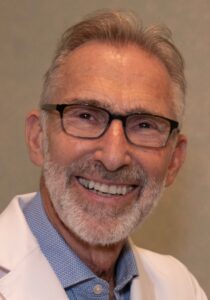
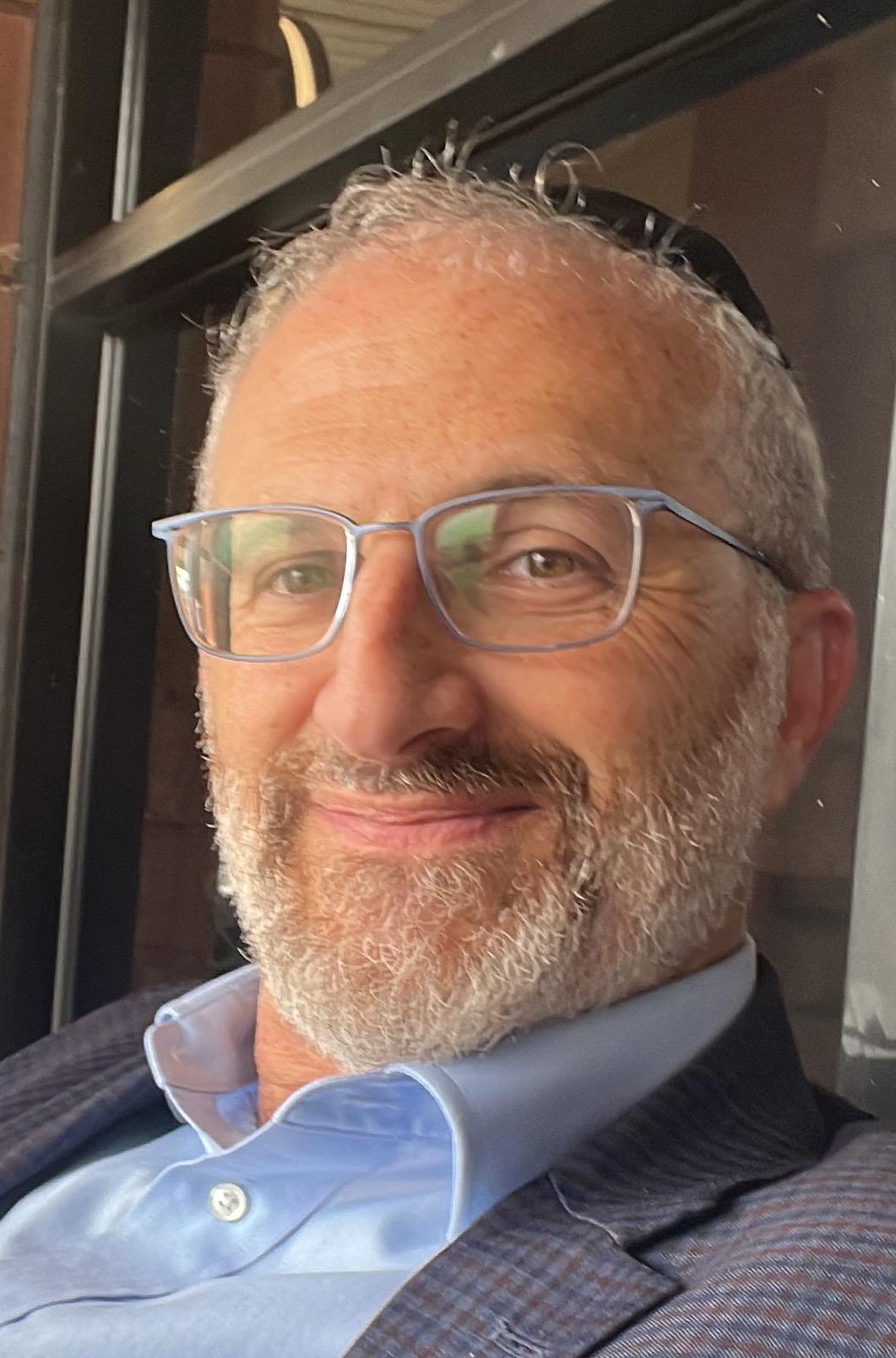
Reuven Verschleisser
CEO, The Caring Clinics
Reuven Verschleisser is the CEO of The Caring Clinics, Baltimore’s largest independent MAT clinic network, offering outpatient medication-assisted treatment and counseling for opioid use disorder across six locations.
At the Center for Hair Transplantation, trust is the foundation of everything we do; patients need to feel heard, supported, and understood before they can commit to a treatment plan. That’s a conviction we share with Reuven Verschleisser, CEO of The Caring Clinics. Formerly BD Health Services, The Caring Clinics is Baltimore’s largest independent MAT clinic network, offering outpatient medication-assisted treatment and counseling for opioid use disorder across six locations (more than any other locally operated OTP in the region).
We sat down with Reuven to learn how his team builds treatment plans, supports patients, and creates an environment where people feel safe asking for help.
Q: We make a point of evaluating each patient’s individual situation before recommending a path forward. How does The Caring Clinics determine which combination of medication and counseling is right for a given person?
Reuven Verschleisser: No two people arrive at our door the same way. Someone might come in after years of struggling; someone else might be transferring from another program, or trying again after a setback. We start by actually sitting with them: learning their history, their daily life, what’s worked before and what hasn’t. From there, we build a plan that fits their reality. That usually means pairing FDA-approved medication (methadone or buprenorphine) with one-on-one counseling. Medication addresses the physical side of dependence; the counseling helps patients understand what’s driving their use and build the habits to stay well. We don’t offer one without the other, because the real results come from them working in tandem.
Q: How do you support patients across the different stages of treatment, from that first assessment through the longer stretch of recovery?
Reuven Verschleisser: The first visit can be the hardest step someone takes, so we put a lot of attention into making it feel approachable. From intake through ongoing care, patients have consistent contact with their clinical team: regular check-ins, medication monitoring, and counseling sessions that evolve as the patient does. We adjust dosage and support structure as a patient stabilizes and gains confidence. What matters to us most is continuity. We don’t just stabilize someone and send them on their way; we stay engaged through the harder stretches, because recovery takes time and the support has to match that reality.
Q: Many people feel shame around seeking help; it’s something we see in our line of work too. How do your clinicians create an environment where patients feel safe being honest about where they are?
Reuven Verschleisser: We lead with compassion in a very practical sense: staff learn patients’ names, take time to listen, and never make someone feel like they’re a case to be processed. A lot of people walk through our doors carrying years of shame; our job from the very first phone call is to make it clear that none of that belongs here. When patients know they can be honest without consequence, they actually engage with treatment. That honesty is where real progress starts.
Q: What role does the relationship between patient and provider play in keeping someone engaged in treatment over time?
Reuven Verschleisser: It’s one of the most important factors in outcomes. When a patient genuinely trusts their care team, they’re more likely to stay consistent in treatment, speak up when something isn’t working, and push through the difficult stretches instead of disappearing. We invest in that relationship from day one. Staff walk with patients through setbacks, rather than treating a relapse as a reason to disengage. That kind of consistency builds the trust that keeps people coming back, which ultimately is what makes long-term recovery possible.
Q: What does a successful outcome look like for one of your patients?
Reuven Verschleisser: It’s different for every person, which is to be expected. For some, success is sustained sobriety and a return to work, relationships, and the life they want. For others, it’s stability: less chaos, fewer crises, a sense that their life is manageable again. We try to let each patient define what recovery means for them, and then provide the clinical support, counseling, and human connection to help them get there. When someone who came to us in a moment of crisis tells us they finally feel hopeful, we know we’re doing something right.
To learn more about outpatient opioid treatment and medication-assisted treatment programs in Baltimore, visit thecaringclinics.com.