
Hair Transplant Before & After Gallery
Real Patients. Real Hair Growth.
Every photo on this page shows a real patient treated at the Center for Hair Transplantation in Fairfield, Connecticut.
Browse the results by procedure and patient type to see what a transplant can do for hair loss like yours.
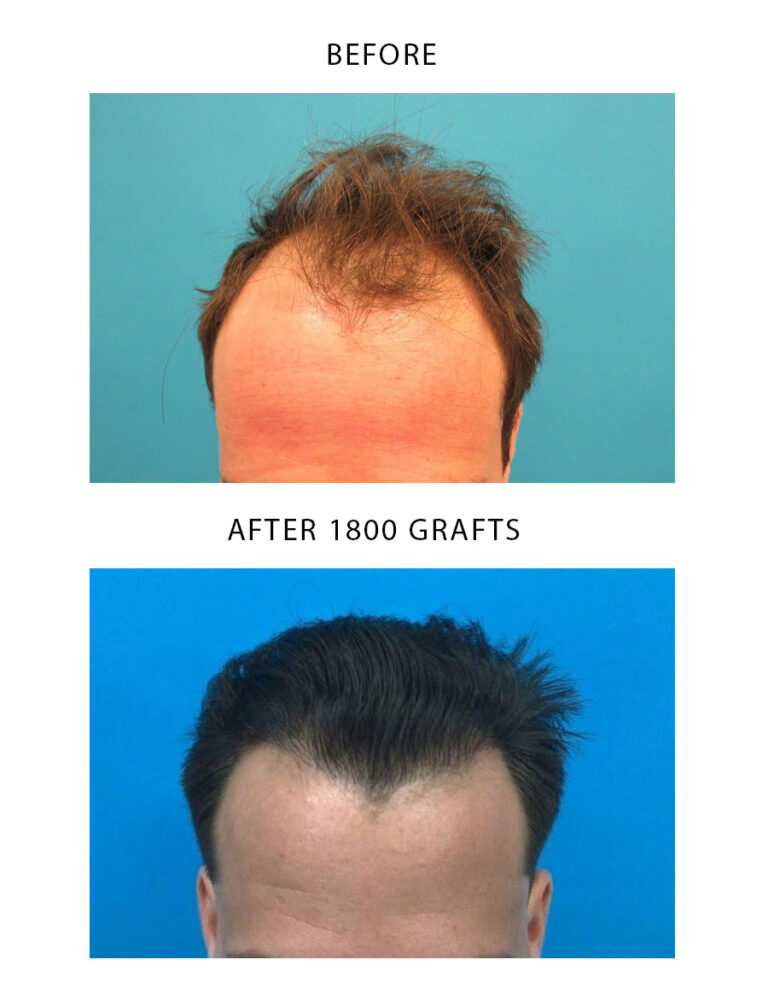
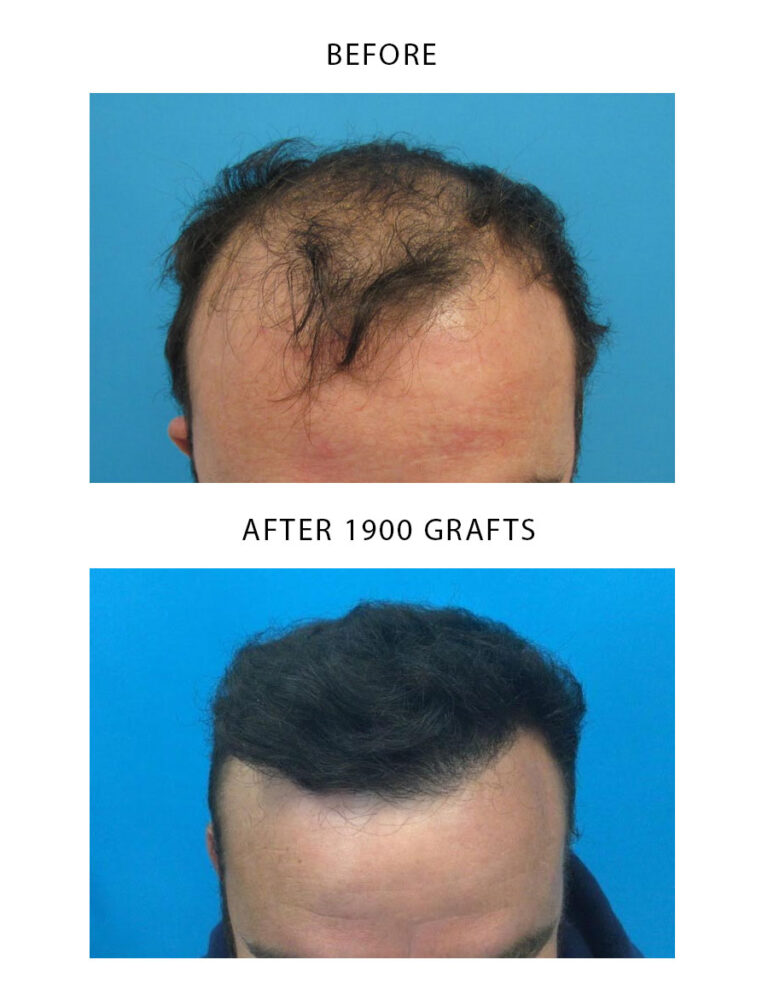
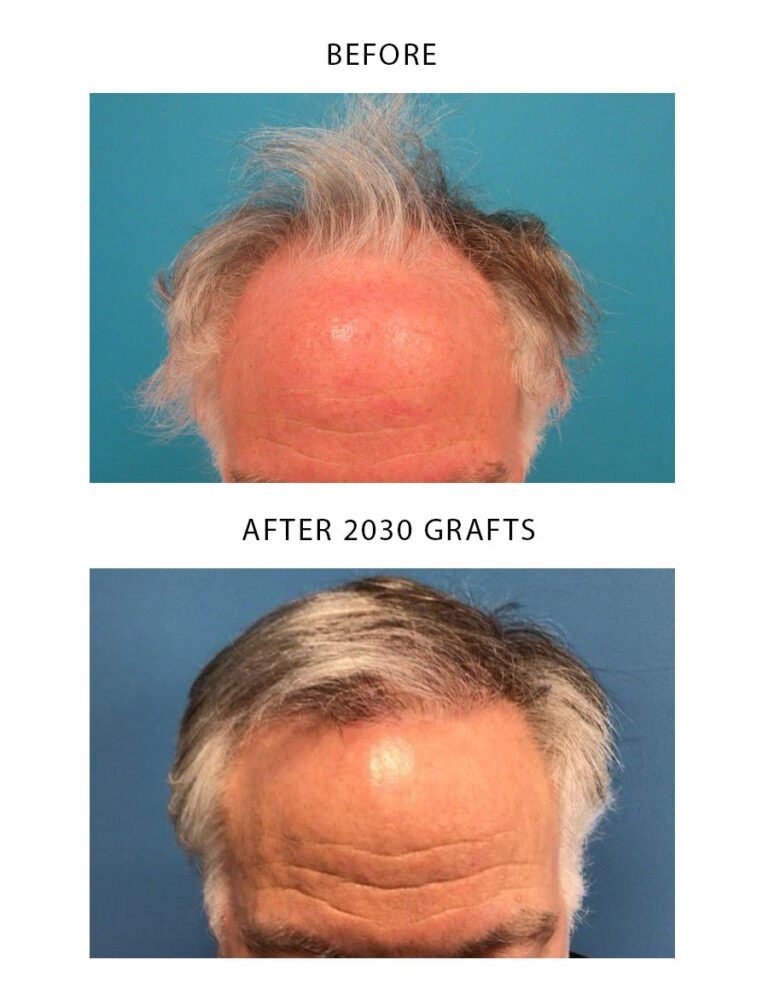
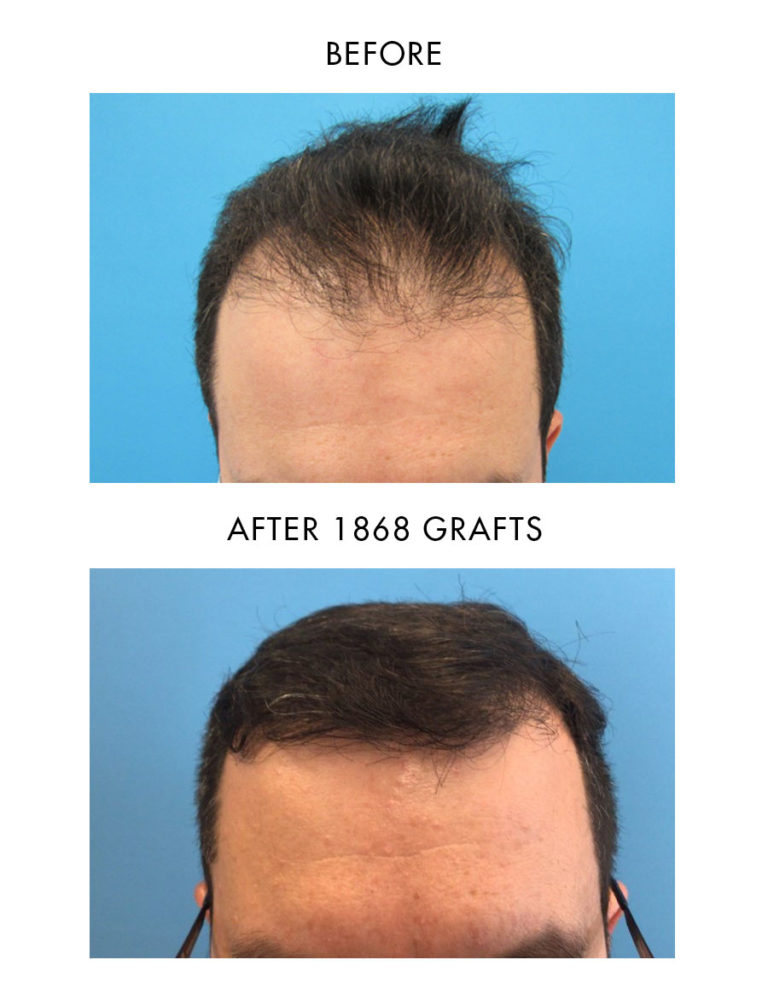
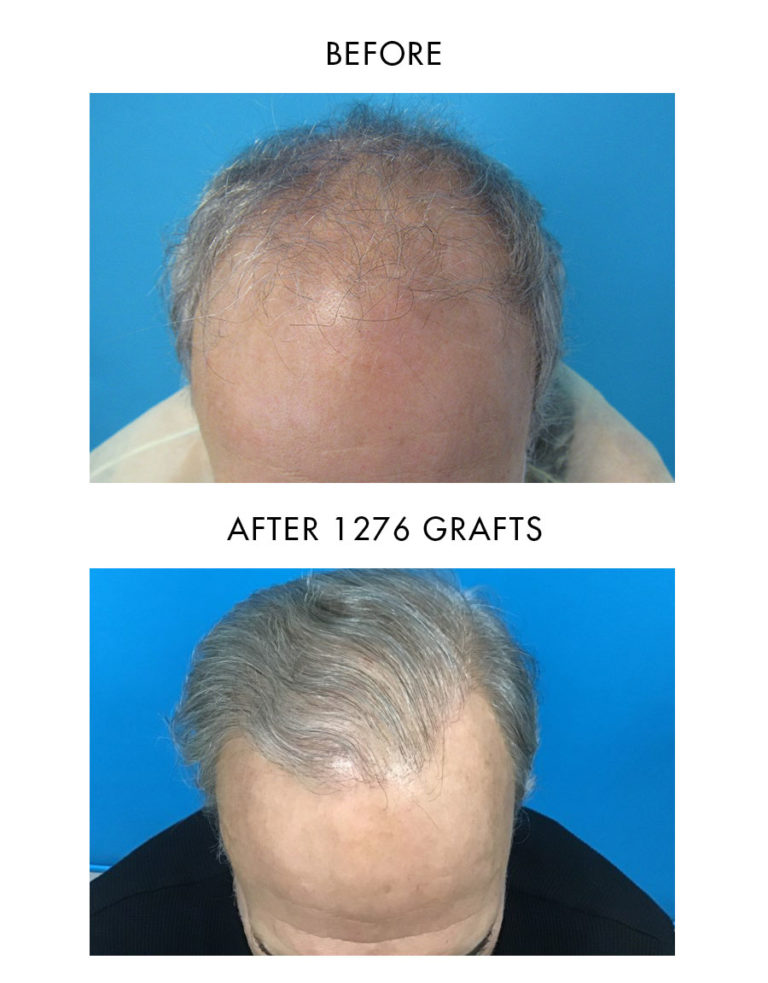
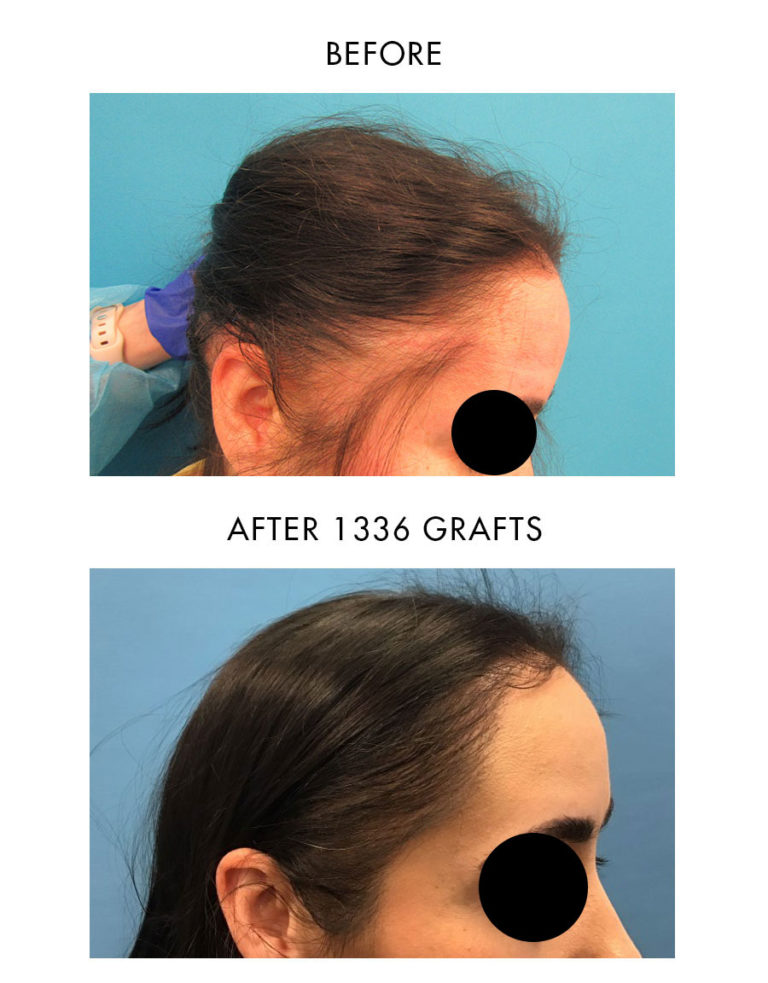
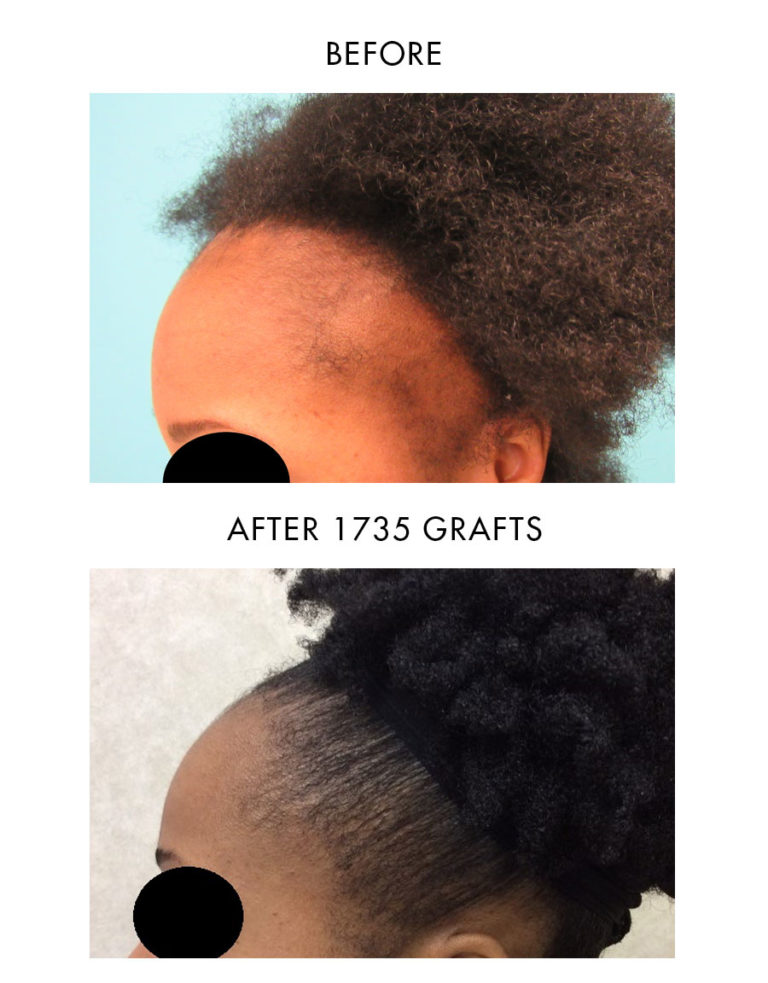
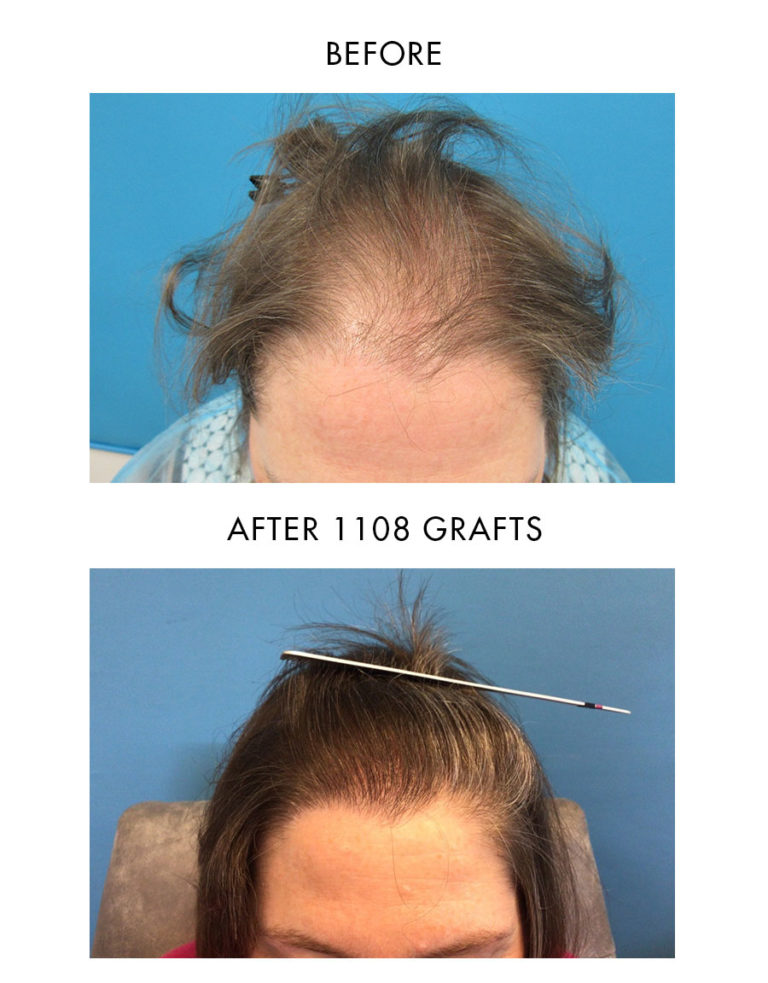
Results by Procedure and Patient Type
No results match these filters.
Men’s FUT Strip Results
Many men first visit our office for a receding hairline or thinning at the front.
Follicular unit transplantation (FUT) removes a thin strip of hair from the back of the scalp. Our team then divides the strip under a microscope into individual grafts. Compare the hairline and frontal fullness in each pair below. Cases in this set range from 990 to 2,215 grafts. A separate set of donor-area photos shows how the closed incision heals into a fine line.
6 results
Donor-area photos
Men’s FUE Results: Manual and Robotic
Many men want the option to keep their hair short in the back after surgery.
Follicular unit excision (FUE) removes donor hairs one at a time with a tiny circular punch, thereby avoiding the long linear scar of strip surgery. We perform FUE by hand and with the ARTAS® robotic system. Both methods work well in skilled hands. Your physician recommends one based on your case size and your goals.
8 results
Crown (Vertex) Results
A thinning crown can stay hidden from you in the mirror while friends and family notice it from above.
Your physician reviews your family history and plans crown work with future hair loss in mind. Look at the top of the head in each pair to see how far the new growth extends.
11 results
Women’s Results
Women make up a meaningful share of our patients. Many come to us with pattern thinning. Others lost hair along the hairline after years of wearing tight braids or hairstyles.
Women’s cases in this gallery range from 395 to more than 1,700 grafts. The set includes a 40-year-old patient and a 70-year-old patient.
9 results
Repair Results
Some patients come to us unhappy with a procedure they had somewhere else.
Our physicians can sometimes improve the density or growth from earlier work with a repair procedure. Your options depend on how much donor hair you have left and on the condition of the prior grafts. Our physicians evaluate each case before recommending a repair. The photos below show improvements for patients who chose a repair with us.
11 results
About These Photos
Every image on this page comes from a real Center for Hair Transplantation patient. Your own outcome depends on:
- Your hair loss pattern
- Your donor hair supply
- Your age
- Your family history
- Your goals
What Happens Between the Before and the After
Your physician meets with you first and examines your hair loss pattern. Together, you build a plan that accounts for how your hair may look in 5 or 10 years.
On surgery day, your physician leads the procedure, including the extraction of the graft. Trained surgical technicians place the grafts under your physician’s direct supervision. After FUE, you can typically return to desk work in 2 to 3 days. Your donor area heals in 5 to 7 days.
New hair typically follows this timeline:
- 3 to 4 monthsFirst new hair growth appears
- About 6 monthsVisible density improves
- 12 to 18 monthsFull results develop
Keep the timeline in mind as you browse. An after photo taken at 6 months shows growth still in progress.
Connecticut’s Most Experienced Hair Transplant Practice
Our practice has performed hair transplants for more than 30 years, longer than any other existing practice in Connecticut. Our team has completed more than 10,000 hair transplants. We also became the first practice in New England to offer robotic FUE.
All three of our physicians hold faculty appointments at Yale. Dr. Cohen holds certification from the American Board of Hair Restoration Surgery (ABHRS).
Frequently Asked Questions
-
Every patient’s results differ. During your evaluation, your physician shows you what a realistic result for your hair looks like.
-
Your graft count depends on the size of the area you want to treat and on your donor supply. Your physician sets the number only after evaluating your hair.
-
Some patients do. Hair loss can continue after a transplant, so some patients return years later to add density or treat new thinning.
-
Yes. Our patients come from across Connecticut and from nearby areas, including Westchester County, New York City, and Massachusetts. We also offer virtual consultations, so you can start your evaluation from home.
Schedule Your Hair Loss Evaluation
You’ve seen what other patients achieved. Next, meet with one of our physicians to talk about your hair.
Some patients leave their evaluation with a surgical plan. Others start with medical therapy first. Your physician recommends a path with your future options in mind.