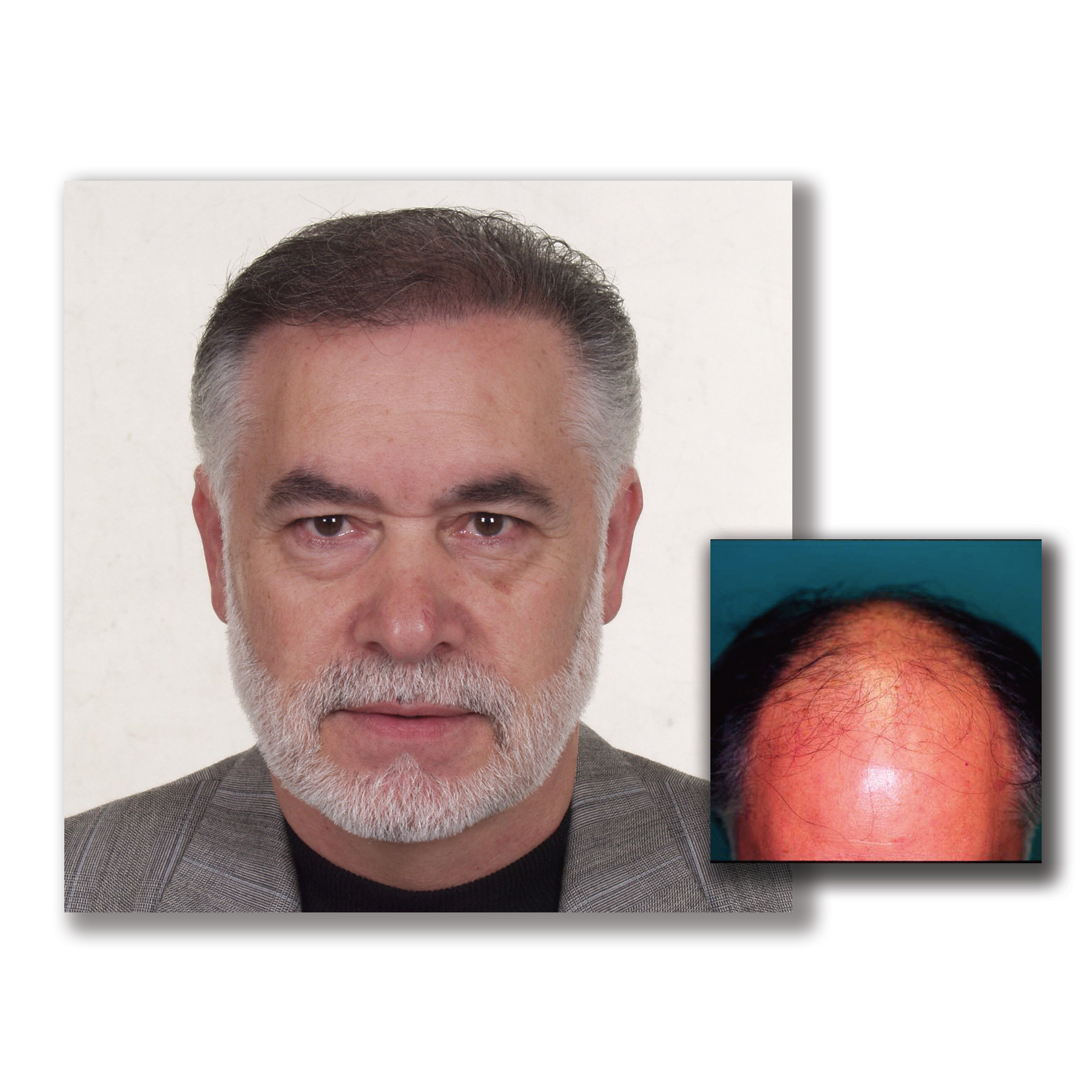
A hair transplant takes 12 to 18 months to fully mature. Most patients track the end result but overlook the individual phases that determine whether it succeeds. Understanding each stage helps patients protect their grafts, follow restrictions with confidence, and read the mirror accurately.
This page compiles 2026 clinical data on hair transplant recovery, broken down by patient recovery stage.
Key Takeaways
- Graft survival rates at leading clinics range from 90–95%.
- FUE donor sites heal faster. FUT donor sites take 2–3 weeks due to suture closure.
- Most FUE patients return to desk work by days 3–5. Most FUT patients return by days 5–7.
- Shock loss, the temporary shedding of transplanted hairs, occurs at weeks 2–8. It does not indicate a failed procedure.
- First new hair growth begins at months 3–4. About 50% of the final result is shown by month 6.
Hair Transplant Recovery Timeline: Week by Week
Recovery follows a predictable biological sequence. The recipient area heals faster than most patients expect. The donor area runs on a separate schedule depending on the procedure type. The table below tracks both from the first day post-surgery through full maturation.
| Timeframe | What Happens | What Patients Experience |
|---|---|---|
| Days 1–3 | Swelling peaks; graft anchoring begins; FUT sutures close the donor strip. | Redness, tenderness, and scabbing at graft sites; bandage over the donor area. |
| Days 4–7 | Swelling subsides; FUE donor sites approach full surface healing. | Soreness decreases; scalp tightness; most patients can work from home. |
| Days 7–14 | Grafts become more secure; FUE donor sites fully heal; FUT sutures are removed at days 10–14. | Itching at healing sites; most FUE patients return to desk work; redness begins to fade. |
| Weeks 2–4 | Shock loss begins; FUT scar matures and flattens. | Transplanted hair sheds, normal and expected; donor area looks more normal. |
| Months 1–3 | Shock loss peaks, then resolves; collagen remodeling continues; FUT scar softens. | Hair looks thin or patchy; donor numbness largely resolves; patience is required. |
| Months 3–4 | First new hair growth begins in the recipient zone. | Fine new hairs appear; growth is uneven at first and thickens over time. |
| Month 6 | Approximately 50% of the final result is visible. | Noticeable density improvement; hair thickens; styling becomes easier. |
| Months 12–18 | Full maturation occurs; FUT scar reaches its final mature state. | Final result achieved; permanent hair growth established; texture and caliber normalize. |
Key Insights
- Grafts anchor fully by days 10 to 14. Days 1 to 3 are the most vulnerable, before blood supply is established.
- Shock loss at weeks 2 to 8 does not signal a failed procedure. The follicles remain viable beneath the scalp and re-enter the growth cycle.
FUE vs. FUT Recovery: Key Differences
FUE and FUT produce the same long-term results on the same timeline. The differences sit entirely in the donor area. FUT uses a linear strip incision with suture closure, extending donor healing by several weeks. FUE uses individual micro-punch extractions that require no sutures and heal faster. The table below compares both recovery metrics.
| Metric | FUE | FUT |
|---|---|---|
| Donor surface healing | 5–7 days | 2–3 weeks |
| Suture removal | N/A | Days 10–14 |
| Return to light cardio | Days 3–10 | Days 7–10 |
| Heavy lifting restriction | ~10 days | 2 weeks |
| Donor scar type | Dot scars under 1 mm | Linear (1–2 mm at skilled closure) |
| Shock loss timing | Weeks 2–8 | Weeks 2–8 |
| First visible regrowth | Months 3–4 | Months 3–4 |
| Full result | 12–18 months | 12–18 months |
Key Insights
- FUE provides faster donor recovery. FUT trades that advantage for a higher potential graft yield per session, a clinically meaningful difference for patients with more advanced hair loss.
- Both procedures deliver the same long-term outcome. Technique selection is determined by a physician who has evaluated the patient’s hair loss pattern, donor supply, and goals.
Activity Restrictions After a Hair Transplant
Returning to activity too early is the most common post-operative mistake. Strenuous exercise raises blood pressure, increases scalp perspiration, and places tension on healing tissue. The table below shows approved and restricted activities at each stage.
| Timeframe | What You Can Do | What to Avoid |
|---|---|---|
| Days 1–3 | Light walking; post-op wound care; head elevation. | Strenuous activity; direct sun exposure on the scalp; touching graft sites. |
| Days 4–10 | Gentle walking; light desk work. | Heavy lifting; vigorous cardio; activities that cause sweating. |
| Days 10–14 | Light cardio, walking, easy stationary cycling; normal desk activity. | Heavy resistance training; contact sports; swimming. |
| Weeks 2–4 | Moderate cardio; most daily activities. | Heavy deadlifts; squats; direct sun exposure on the scalp without protection. |
| Month 1+ | Full activity for most patients. | Hair coloring and chemical treatments (wait until month 2). |
Key Insights
- The scalp anchors grafts fully by day 10 to 14. After that milestone, the biology has done its job, and most forms of exercise are safe (Limmer HTC, 2026).
- Swimming carries a longer restriction than most activities. Water introduces bacteria to the healing scalp and can saturate and dislodge early scabs at graft sites.
- FUT patients follow a 4-week restriction on heavy lifting to protect the donor scar, not the transplanted grafts.
Patient Factors That Affect Recovery Time
Not all patients recover on the same schedule. Age, smoking history, and post-operative medication choices shape how quickly the donor site heals, how severe shock loss becomes, and when visible regrowth begins. The variables below carry the most consistent clinical evidence.
| Patient Factor | Effect on Recovery | Key Statistic |
|---|---|---|
| Age under 40 | Faster healing; higher graft survival; better scar outcomes. | ~95% graft survival in patients in their 30s (ISHRS Practice Census, 2025). |
| Age over 60 | Slower scalp vascularization; reduced graft survival. | 80–85% graft survival vs. ~95% in younger patients (ISHRS Practice Census, 2025). |
| Active smoking | Delays wound healing; increases risk of scar widening; reduces final hair density. | Smokers show lower hair counts at every post-op time point compared with non-smokers (Brieflands, 2024). |
| Post-op minoxidil use | Earlier regrowth onset; reduced shock loss severity. | 60% of minoxidil-treated patients avoid shock loss shedding entirely vs. controls (HairDoctorNYC, 2026). |
Key Insights
- Smoking is the single most significant modifiable risk factor in hair transplant recovery. The evidence shows reduced hair counts at every postoperative measurement point, not just during the acute wound-healing window.
- Post-operative medications, particularly minoxidil, accelerate two of the most meaningful recovery outcomes: shock loss severity and the timing of visible regrowth.
About Center for Hair Transplantation
Center for Hair Transplantation is a specialty hair-restoration practice in Fairfield, Connecticut. With more than 30 years of clinical experience and over 10,000 procedures performed, more than any other practice in Connecticut, the practice provides individualized, physician-led care for patients experiencing hair loss.
The practice is led by board-certified dermatologists Dr. Ivan Cohen, Dr. Yesul Kim, and Dr. Blake E. Brooks. All three physicians hold faculty appointments at Yale. Dr. Cohen was also the first physician in New England to perform robotically assisted follicular unit excision using the ARTAS system.
Center for Hair Transplantation offers: FUT strip surgery, manual FUE and robotic FUE using the ARTAS system, PRP and PRFM therapy, and comprehensive medical treatment for hair loss.
A consultation includes a physician-led assessment of your candidacy, a realistic recovery and results timeline based on your individual anatomy and pattern of hair loss, and a long-term treatment plan, not simply a surgical recommendation.
Learn more or request a consultation at Center for Hair Transplantation
Further Reading
- Follicular Unit Excision (FUE)
- Follicular Unit Transplantation (FUT)
- Robotic FUE with ARTAS
- Medical Treatments for Hair Loss
- Hair Transplant FAQs
Sources
- Brieflands. The Impact of Smoking and Lifestyle Factors on Hair Transplant Outcomes in Patients with Androgenic Alopecia.
- Crown Hair Institute. Your Complete Hair Transplant Recovery Timeline. March 2026.
- Dr. Cinik. What Are the Hair Transplant Statistics for 2026?
- HairDoctorNYC. Minoxidil After Hair Transplant: Does It Help?
- International Society of Hair Restoration Surgery. 2025 Practice Census Results. May 2025.
- KSL Clinic. Hair Transplant Growth Stages Week by Week.
- Limmer HTC. Getting Back to the Gym After a Hair Transplant: A Week-by-Week Activity Guide. July 2026.
- Vera Clinic Academy Database. FUE Hair Transplant Statistics 2026.